
2026 Housing Market Outlook: Mortgage Rates, Affordability, and What Buyers Need to Know
If there’s one word dominating real estate conversations heading into 2026, it’s affordability.
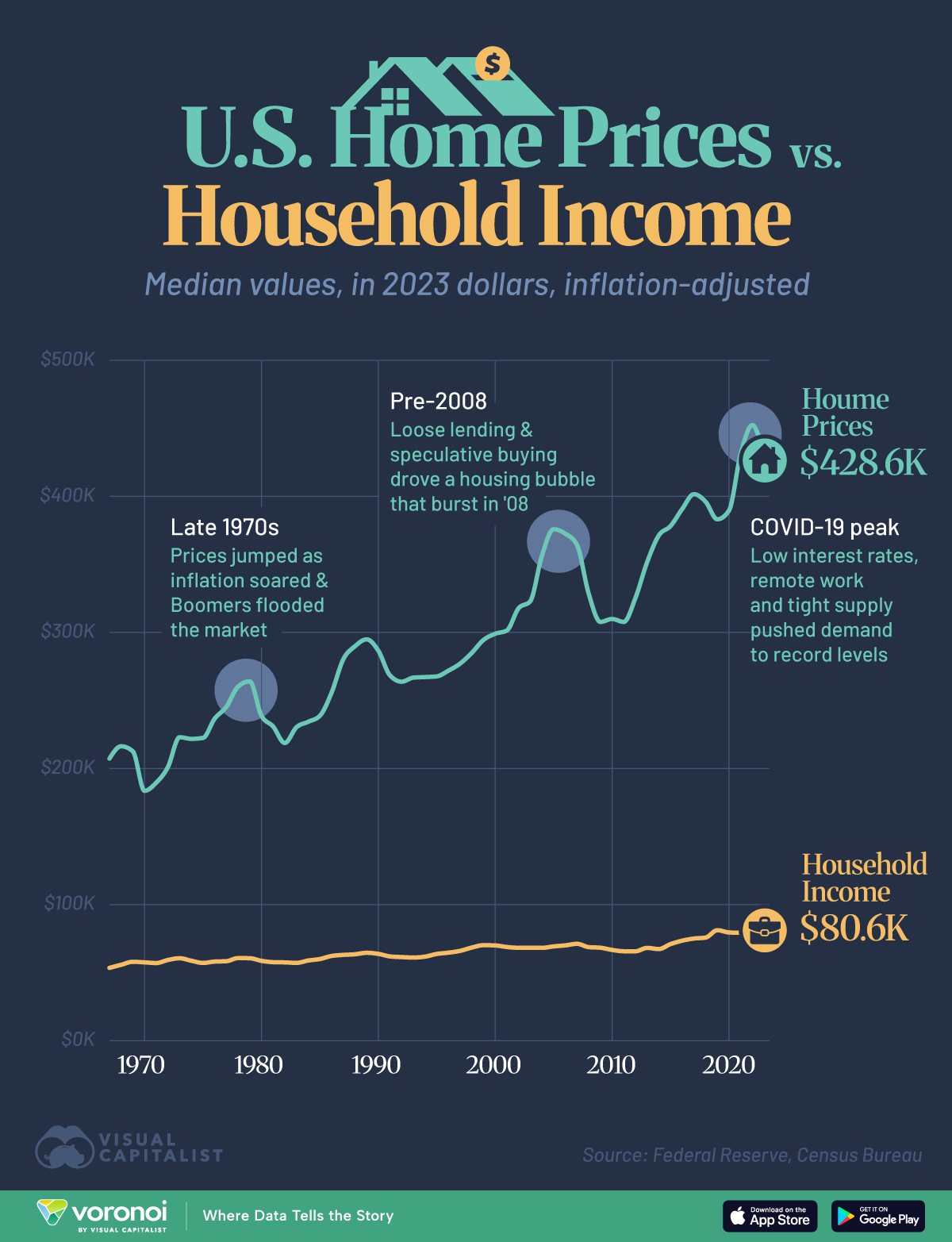
Home prices surged nearly 40% in just five years, while incomes clearly didn’t keep up. First-time buyers are getting older, inventory has been tight, and interest rates have whiplashed buyers mid-search. In this episode of The Real Estate Show, Pat Lopez breaks down what’s changing — and why 2026 could finally be a step in the right direction.
Let’s answer the three biggest questions listeners are asking right now.
1. Will Election-Year Politics Actually Help Housing Affordability?

History shows us one thing: politicians want to keep their jobs.
With affordability becoming a major voting issue, housing is front and center heading into an election year. Pat explains that this pressure is already pushing policymakers to float ideas like assumable loans, portable mortgages, even 50-year terms — all aimed at easing monthly payments.
The biggest move so far? Asking Fannie Mae and Freddie Mac to start buying mortgage bonds again.
Why this matters: mortgage bonds influence the spread between the 10-year Treasury and 30-year fixed mortgage rates. Historically, that spread averages about 1.8% — and we’re finally drifting back toward that norm.
Translation: political pressure is helping rates come down, even if it’s incremental.

2. Why Are Mortgage Rates Dropping — and Will They Stay Down?
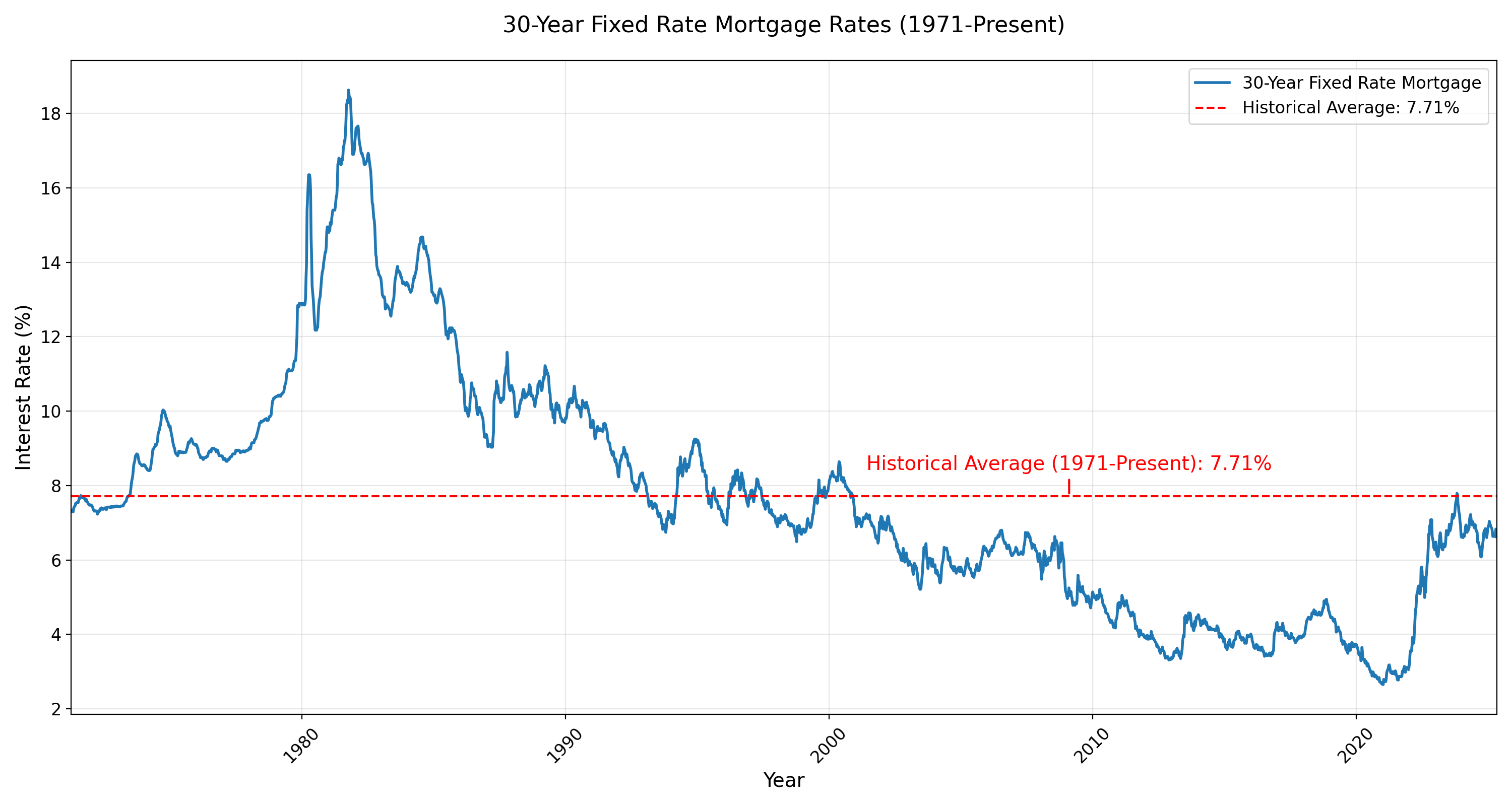
A year ago, buyers were entering spring with mortgage rates in the high sixes to over 7%. Today, many borrowers are seeing high-5% to low-6% territory — a meaningful shift.
Two forces are driving this:
Mortgage bond buybacks by Fannie Mae and Freddie Mac
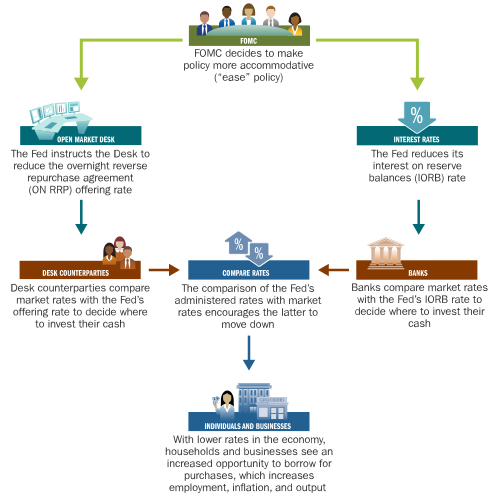
The Federal Reserve easing its quantitative tightening
Even Jerome Powell has acknowledged a pivot. While this isn’t a full-scale stimulus like 2020, the Fed has resumed buying Treasuries and mortgage-backed securities — which helps calm long-term rates.
Why stability matters more than speed:
Buyers don’t just need lower rates — they need predictable rates. When rates stay steady for 3–6 months, people can plan, budget, and confidently move forward instead of getting priced out mid-search.

3. Is Housing Still Unaffordable — or Is It Finally Improving?
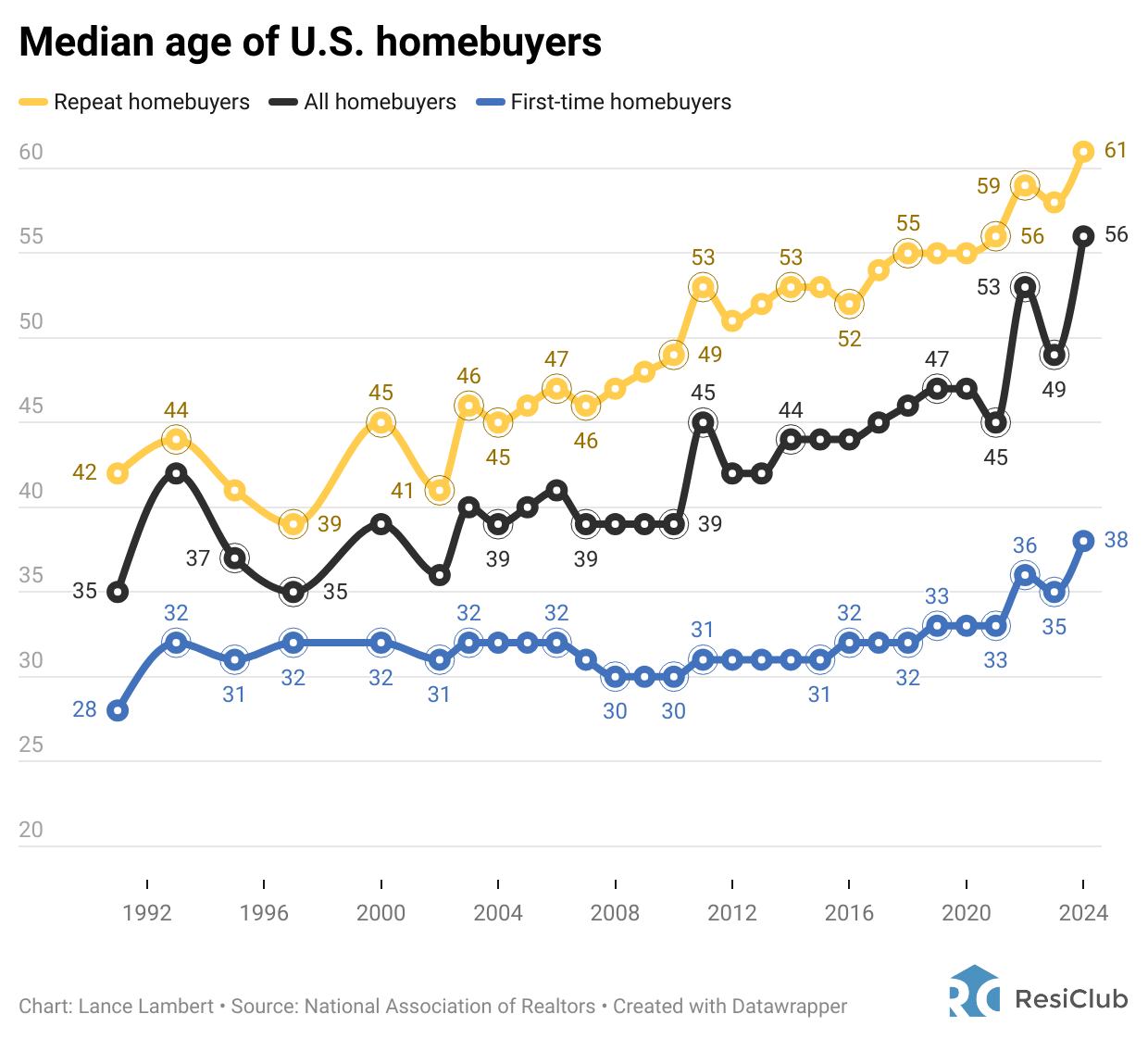
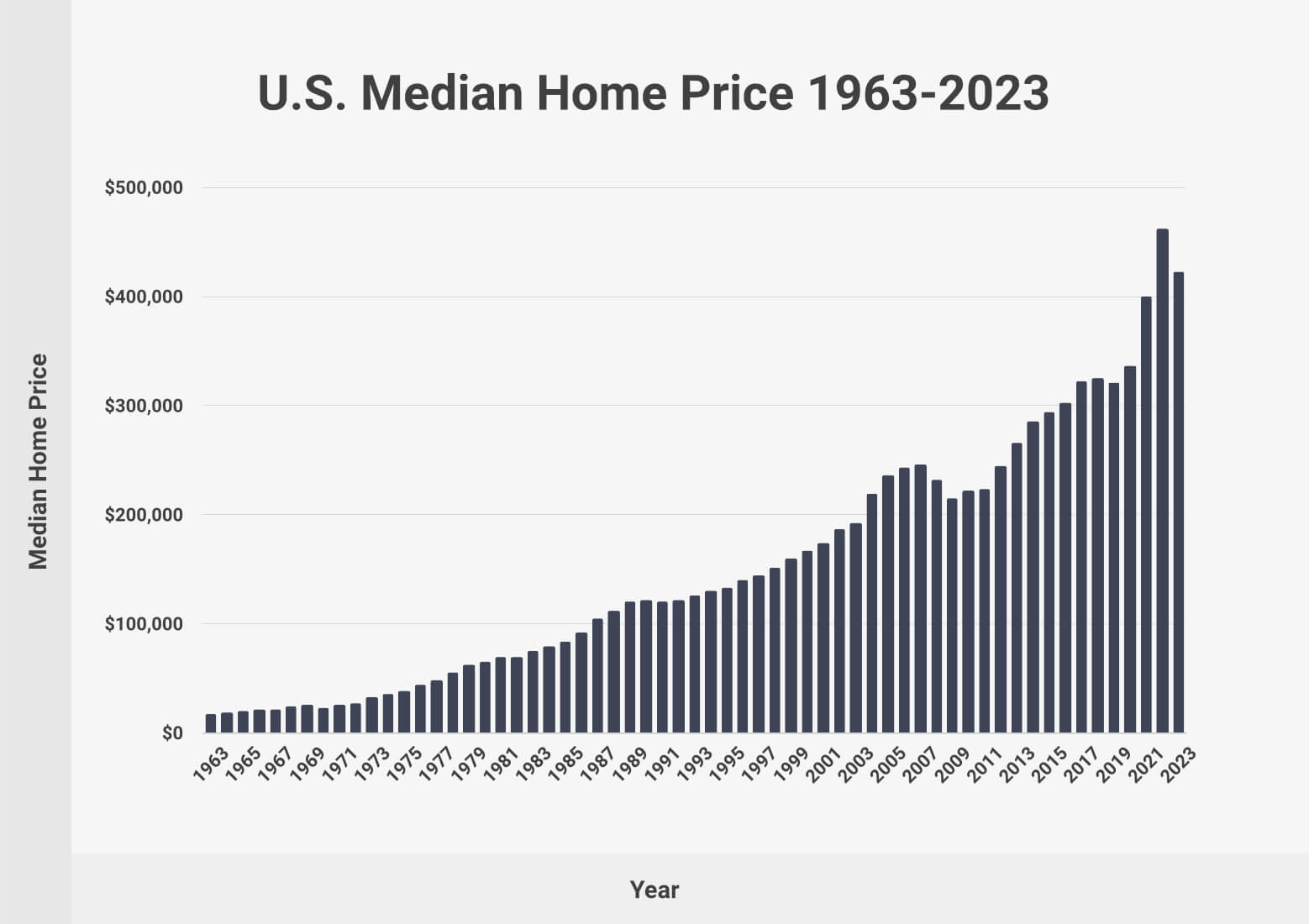
Let’s be clear: housing is still expensive — but the pressure is easing.
According to Realtor.com and Redfin, the average first-time millennial buyer is now 40 years old, up from 30 just a decade ago.
Meanwhile:
National median home price: $425,000
Income needed to afford it: ~$94,500
Most buyers now require two incomes
Here’s the good news:
Inventory is slowly increasing
Appreciation from Nov 2024–Nov 2025 was just 1%
Wages are rising around 3.5%
Rates are nearly 1% lower than last year
The infamous “lock-in effect” is also fading. More homeowners now carry mortgages between 5–8%, meaning fewer people are frozen by ultra-low pandemic rates.

2026 Housing Market Prediction: Not Amazing — But Better
Pat’s outlook for 2026 is realistic, not hype-driven.
This won’t be a blockbuster year — but compared to 2024 and 2025, it should be noticeably better. Slower appreciation, steadier rates, and modest income growth are all moving affordability in the right direction.
Housing isn’t fixed yet — but the trend finally is.
👉 Don’t guess where the housing market is going.
Watch the full video to see Pat Lopez explain why 2026 could be better than the last two years — and what that actually means for affordability, interest rates, and first-time buyers.
This is the context most headlines leave out.