New Appraisal Rules Are Coming: What Buyers, Sellers and Real Estate Professionals Need to Know
One of the most familiar parts of the mortgage process is changing—and the effect may reach well beyond the appraiser.
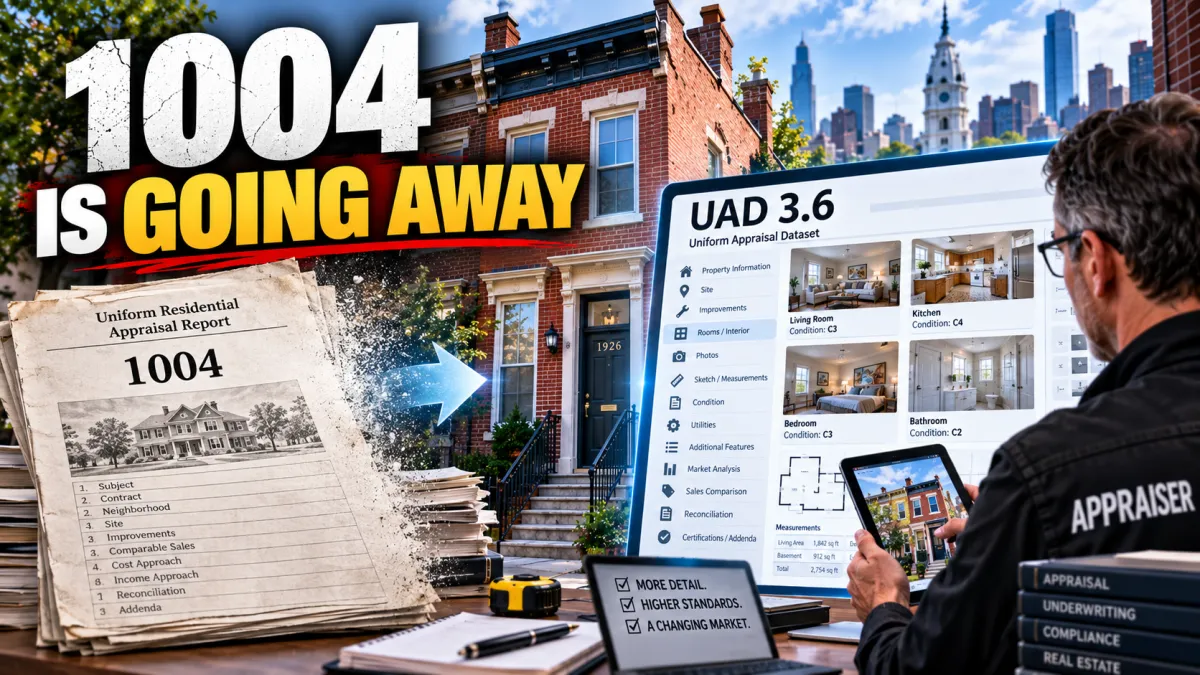
Fannie Mae and Freddie Mac are moving the industry toward the Uniform Appraisal Dataset 3.6 and a redesigned, dynamic Uniform Residential Appraisal Report. UAD 3.6 entered broad production on January 26, 2026, allowing all lenders to submit the new reports. Under the current GSE timeline, UAD 3.6 becomes mandatory for new submissions on November 2, 2026, while legacy UAD 2.6 appraisals retire on May 3, 2027.
On The Real Estate Show with Pat Lopez, Pat spoke with Michael Coyle of The Coyle Group about what the transition may look like from an appraiser’s perspective—and why buyers, sellers, REALTORS®, loan officers and underwriters should prepare now.
Coyle’s central point was simple: this is not merely a redesigned form. It is a new appraisal product built around more structured data, new workflows and new technology.
What Is Changing With Real Estate Appraisals?
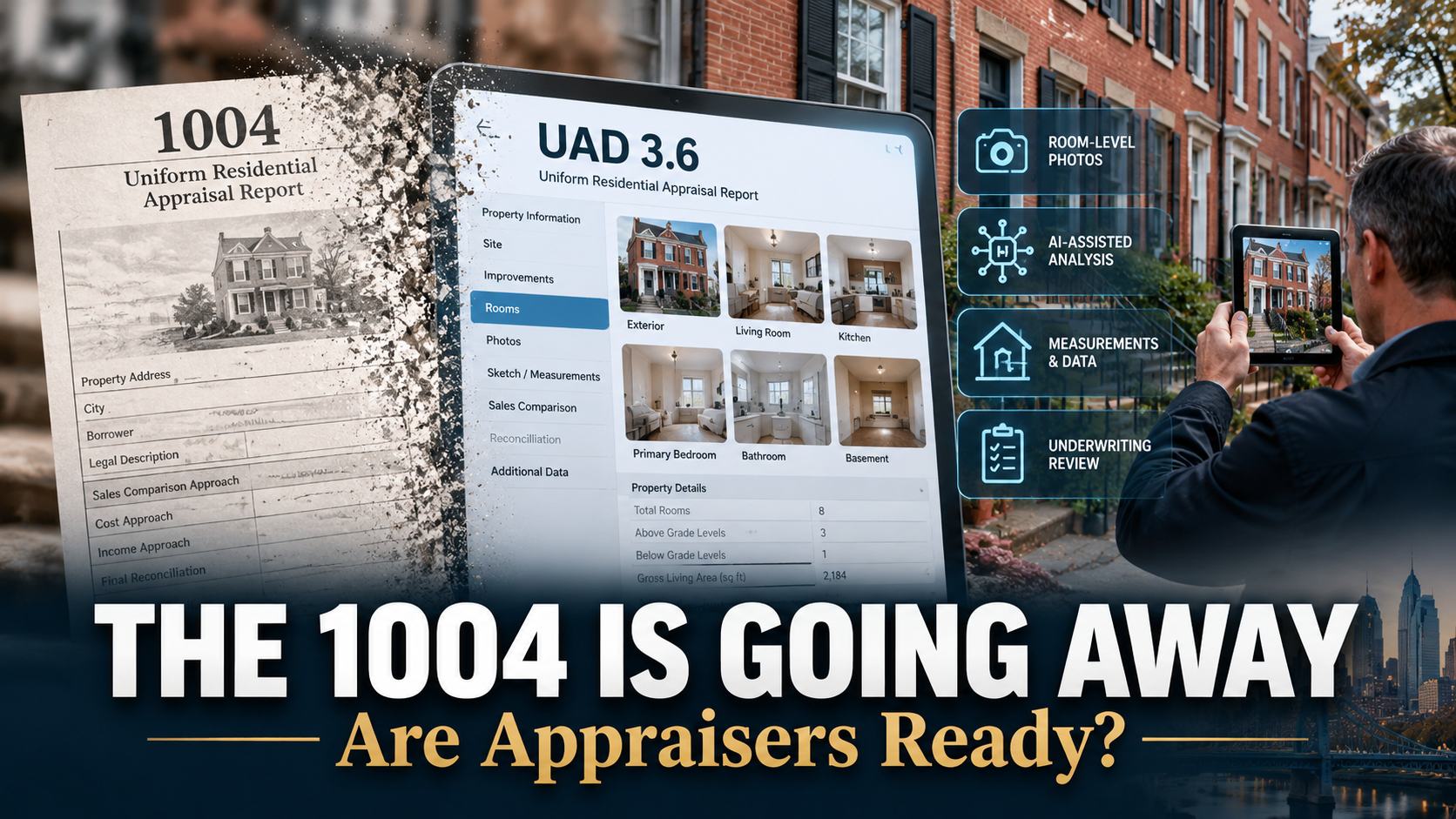
The familiar Form 1004 is among the legacy appraisal forms being replaced by a single, flexible reporting structure. Instead of forcing many property types into static forms, the redesigned URAR expands or contracts based on the assignment and the property being appraised.
The change is intended to make appraisal information more consistent, easier to locate and more useful to lenders and other report readers. It also creates a substantially larger and more structured dataset.
During the episode, Coyle described the difference as moving from roughly 10 major sections to as many as 29 sections in the new format. The exact report will vary, but the broader point is clear: appraisers may need to collect, organize and explain much more property information than before.
More Detail Can Create a Clearer Report

Under the redesigned approach, individual rooms and property characteristics can receive more specific treatment. A home may have beautifully renovated bathrooms and new flooring but an older kitchen. Instead of compressing those differences into one broad condition description, the new structure can preserve more room-level detail.
For lenders and consumers, that can make the report easier to understand. It can also help reduce ambiguity and revisions because information appears in more predictable locations. But gathering and reviewing that detail takes time.
Could Appraisals Take Longer?

Possibly—especially during the transition.
Real estate professionals often plan around appraisal turnarounds of roughly a week. Coyle said appraisal-industry discussions have included estimates of about 10 days to two weeks, with some rural assignments potentially taking longer. Those are observations and expectations, not official guaranteed timelines.
Several transition pressures may arrive at once:
Appraisers must learn new inspection and reporting workflows.
Software providers must support the expanded dataset.
Lenders and underwriters must become comfortable reviewing the redesigned reports.
Questions or corrections may send a report back to the appraiser.
Some experienced appraisers may reduce lending work or retire.
If you are writing a purchase agreement around an aggressive closing schedule, do not assume the appraisal will move at exactly the same speed as before. Build flexibility where possible and discuss the risk with buyers and sellers early.
Could Appraisal Costs Increase?

They could. More inspection data, photographs, analysis and documentation can increase the time required to complete an assignment. Coyle expects that workload to put upward pressure on appraisal fees during the early transition.
Over time, improved software and more efficient workflows may offset some of that burden. In the near term, however, buyers and lenders should be prepared for the possibility that a more detailed appraisal product may cost more to produce.
More Property Conditions May Be Documented

Appraisers have always observed relevant property conditions, particularly issues affecting safety, soundness or value. The redesigned reporting process can make those observations more visible through additional photographs and structured room-by-room information.
Examples discussed during the episode included worn carpeting, cracked windows, ceiling stains, deferred maintenance and deteriorated masonry.
An appraiser documenting a condition does not automatically mean the appraiser is requiring a repair. The appraiser is still providing an independent opinion of value and reporting relevant observations. The next question is how the lender’s underwriter interprets the information.
The Underwriter Could Become the Wild Card

Imagine an appraisal photograph shows a stain on a ceiling. The appraiser may neutrally document what was visible. An underwriter reviewing the same image may ask whether there is an active roof leak, water intrusion or another condition that requires clarification.
That question could lead to a request for additional documentation, an inspection, a repair or another review before the loan proceeds. Different lenders may respond differently to similar conditions while policies and review practices continue to evolve.
The takeaway for real estate professionals is straightforward: more information in an appraisal can create more questions during underwriting.
AI May Make Property Conditions More Visible

Coyle also described how some appraisal software providers are incorporating artificial intelligence. AI tools may help organize photographs, identify room types or levels and flag potential conditions—such as worn carpet, a cracked window or a ceiling stain—for professional review.
AI does not replace the appraiser’s judgment. A tool can flag an image, but the appraiser must determine what is relevant to the assignment and valuation. Still, once detailed property information is captured in the report, lenders and underwriters can see it too.
Renovations and Permits Could Become a Bigger Conversation

This issue may be particularly important in Philadelphia, where rowhomes and other properties have often been modified by multiple owners over many decades.
Basements have been finished. Kitchens and bathrooms have been remodeled. Electrical and plumbing systems have been updated. Additions have been constructed. But permits, invoices and other documentation are not always easy to locate.
An appraiser can make reasonable efforts to observe and analyze available information, yet some permit history may remain unverified. A lender may react differently, however, if it learns that major work was knowingly completed without required permits.
Before listing a renovated property, sellers and agents should gather whatever is available:
Permit records
Contractor invoices and renovation receipts
Dates major improvements were completed
Information about roofing, HVAC, electrical and plumbing systems
Documentation for additions or structural modifications
Good documentation cannot guarantee a frictionless appraisal or underwriting review, but it can make questions easier to resolve.
What Should REALTORS® and Loan Officers Do Now?

Stop assuming every appraisal will take one week. Build flexibility into transaction timelines when possible.
Prepare sellers for more property documentation. Visible defects and deferred maintenance may receive greater attention.
Ask about renovations early. Determine when major work was completed and what records exist.
Do not confuse an appraisal with a home inspection. The appraisal remains a valuation product, even when its documentation prompts underwriting questions.
Communicate with the lender. Review practices may vary, particularly during the transition.
Educate buyers before problems occur. Clients are easier to guide when they understand why a report, clarification or condition may take additional time.
Will This Eventually Become Normal?
Probably. Major real estate and mortgage changes often feel disruptive at first. Software improves, professionals develop efficient workflows, underwriters become familiar with the reports and the market learns which issues are most likely to create delays.
The redesigned URAR may eventually become routine. The transition period is when communication and preparation matter most.
The Bottom Line
UAD 3.6 is not simply replacing one form with another. It represents a shift toward more standardized, structured and detailed property data.
That could mean more room-level information, clearer documentation of visible conditions, greater use of appraisal technology, additional underwriting questions and pressure on turnaround times or fees while the industry adapts.
None of that should cause buyers, sellers or agents to panic. But ignoring the change is not a strategy. The competitive advantage will belong to professionals who understand the new process, prepare their clients early and leave enough room in the transaction to solve questions before closing.
Watch The Real Estate Show with Pat Lopez for the full conversation with Michael Coyle of The Coyle Group and more practical discussions about the changes affecting today’s real estate industry.
The show covers everything real estate—no limits—including housing, lending, appraisals, investing, regulations, technology and the issues shaping Philadelphia’s market.
Frequently Asked Questions
What is UAD 3.6?
UAD 3.6 is the updated Uniform Appraisal Dataset used with the redesigned, dynamic Uniform Residential Appraisal Report. It replaces the static structure of multiple legacy GSE appraisal forms with a more flexible, data-driven report.
When does UAD 3.6 become mandatory?
Under the current Fannie Mae and Freddie Mac timeline, lenders must use UAD 3.6 for all new submissions beginning November 2, 2026. Legacy UAD 2.6 appraisals are scheduled for retirement on May 3, 2027.
Will the new appraisal process take longer?
It could during the transition. More data collection, new software and unfamiliar review workflows may add time, although turnaround will vary by market, assignment and lender.
Will appraisers require more repairs?
Not necessarily. An appraiser may document a condition without requiring a repair. A lender or underwriter may then request clarification, further inspection, documentation or repairs based on its requirements.
Could unpermitted renovations affect a mortgage?
Potentially. If significant renovations are identified and permits cannot be verified—or the lender learns work was completed without required permits—it may request more information and decide how the issue affects the loan.
Is AI replacing real estate appraisers?
No. AI may help organize photos or flag potential characteristics, but the appraiser remains responsible for professional analysis, relevance and the opinion of value.
Stay Ahead of What’s Changing in Real Estate
Subscribe to The Real Estate Show with Pat Lopez for weekly conversations about the changes that could affect your clients, transactions, investments and business.