Licensed… Now What? How New Real Estate Agents Can Actually Succeed
Real Estate | New Agents | Business Building
Licensed… Now What? How New Real Estate Agents Can Actually Succeed
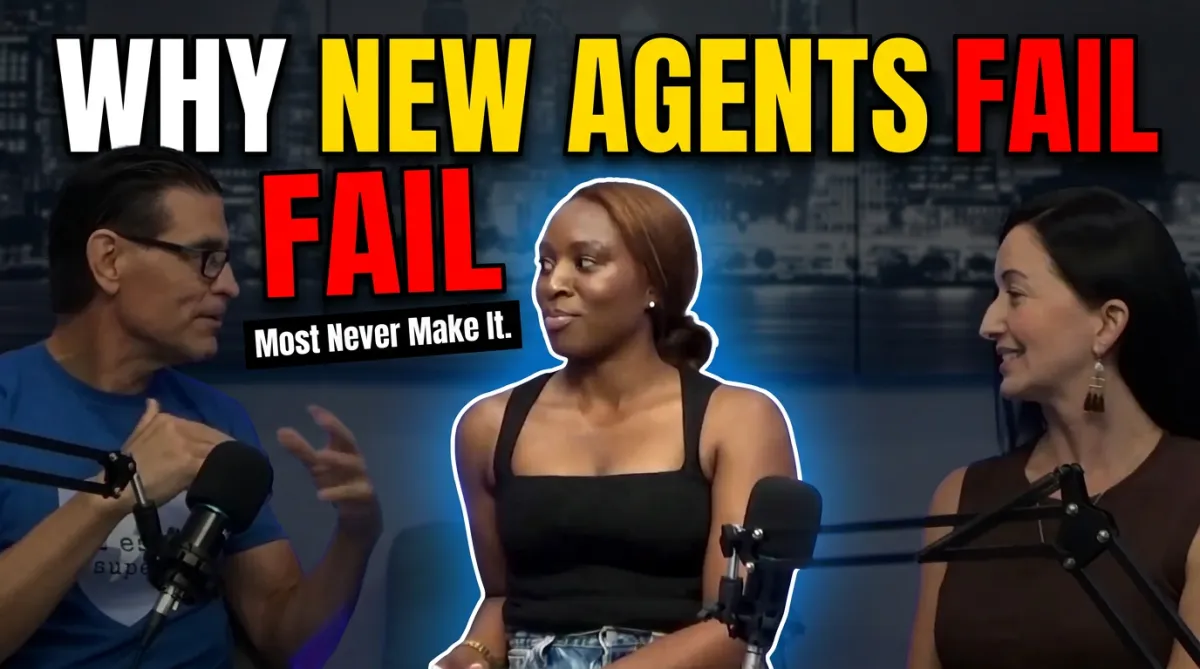
Passing your exam feels like the finish line, but as Tess Adams and Tiana McCurry shared on The Real Estate Show with Pat Lopez, it’s really just the starting gate. Real estate school teaches you how to stay legal; it does not teach you how to run a business, find clients, or build a sustainable career. This gap is exactly where many new agents stumble — and where the right training, systems, and support can change everything.

Why Are So Many New Real Estate Agents Unprepared?
Tess and Tiana see the same pattern over and over: new agents walk into a brokerage thinking deals will “just come” once they hang their license. Instead, they run into a wall of unexpected challenges:
No clear plan for lead generation or where the next client will come from
Little understanding of how to run a business — budgeting, marketing, follow-up, and systems
Overwhelm from juggling contracts, showings, lenders, inspectors, and clients without a roadmap
Financial pressure when commission checks don’t show up as quickly as expected
This is the gap between real estate school and running a real estate business. School covers contracts, fair housing, and law — all essential. But it does not show you how to build a pipeline, create repeatable systems, or position yourself as a trusted advisor in your market. That’s where intentional, practical learning has to begin.
How Do New Real Estate Agents Generate Their Own Leads?
One of the most important lessons from the episode is that lead generation needs to become a system—not something you do whenever business gets slow.
New agents often ask whether a brokerage provides leads. But relying entirely on someone else's leads can leave you without a sustainable pipeline.
Tiana built her business differently. She focused on generating her own opportunities through consistent branding, relationships, and outreach.
Start with the people and communities you already know. Stay in touch with your sphere. Educate instead of constantly selling. Create useful social content. Follow up consistently. Host educational events with lenders or other real estate professionals.
Then put a system behind it.
Instead of saying, “I need more clients,” define the activities you can control: calls made, conversations started, follow-ups completed, appointments scheduled, and useful content published.
As Tess puts it:
“I'm not handing you a fish. I'm teaching you how to fish.”
Key takeaway: The goal isn't simply getting your next lead. It's developing the skills and systems that allow you to generate opportunities repeatedly.
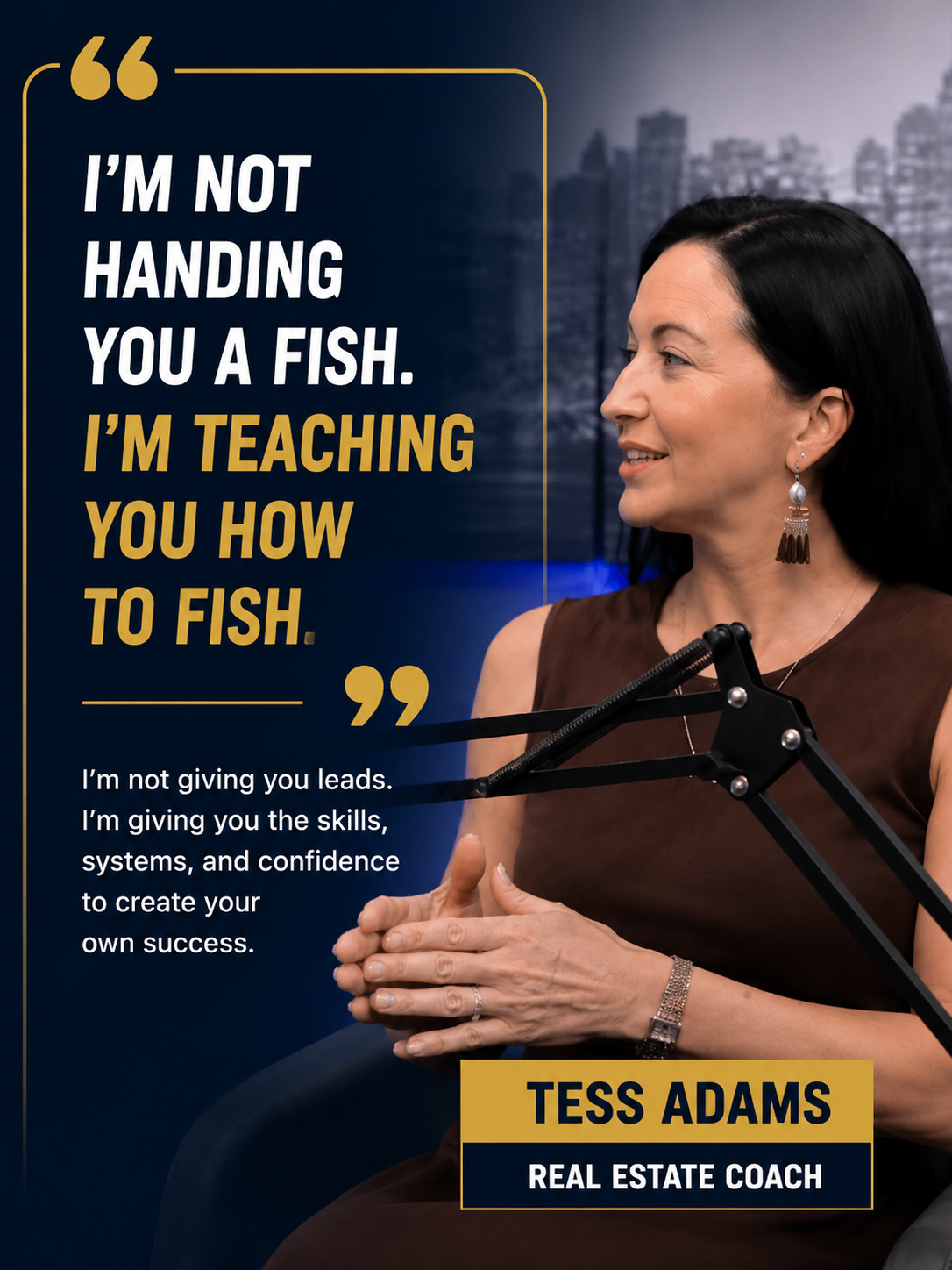
The right mentor compresses years of trial and error into months of growth.
Build Your Own Pipeline With Consistent Lead Generation
One of the toughest realities Tess and Tiana highlighted is that no one is responsible for your pipeline but you. Waiting on floor time, open house scraps, or random leads from the office is not a strategy. Successful agents build consistent lead-generation systems they can control and repeat.
Call and text your sphere weekly with real value — market updates, lending insights from resources like Real Estate Show W/ Pat Lopez, and helpful tips, not sales pitches.
Host monthly homebuyer or investor workshops with a trusted mortgage lender to educate and build trust at scale.
Create a simple follow-up system: every new lead gets calls, texts, and emails on specific days for the first 30–60 days.
Over time, these activities become repeatable systems that you can track, refine, and eventually delegate. That’s the foundation of a real business, not just a license.
Build a Personal Brand on Relationships and Trust
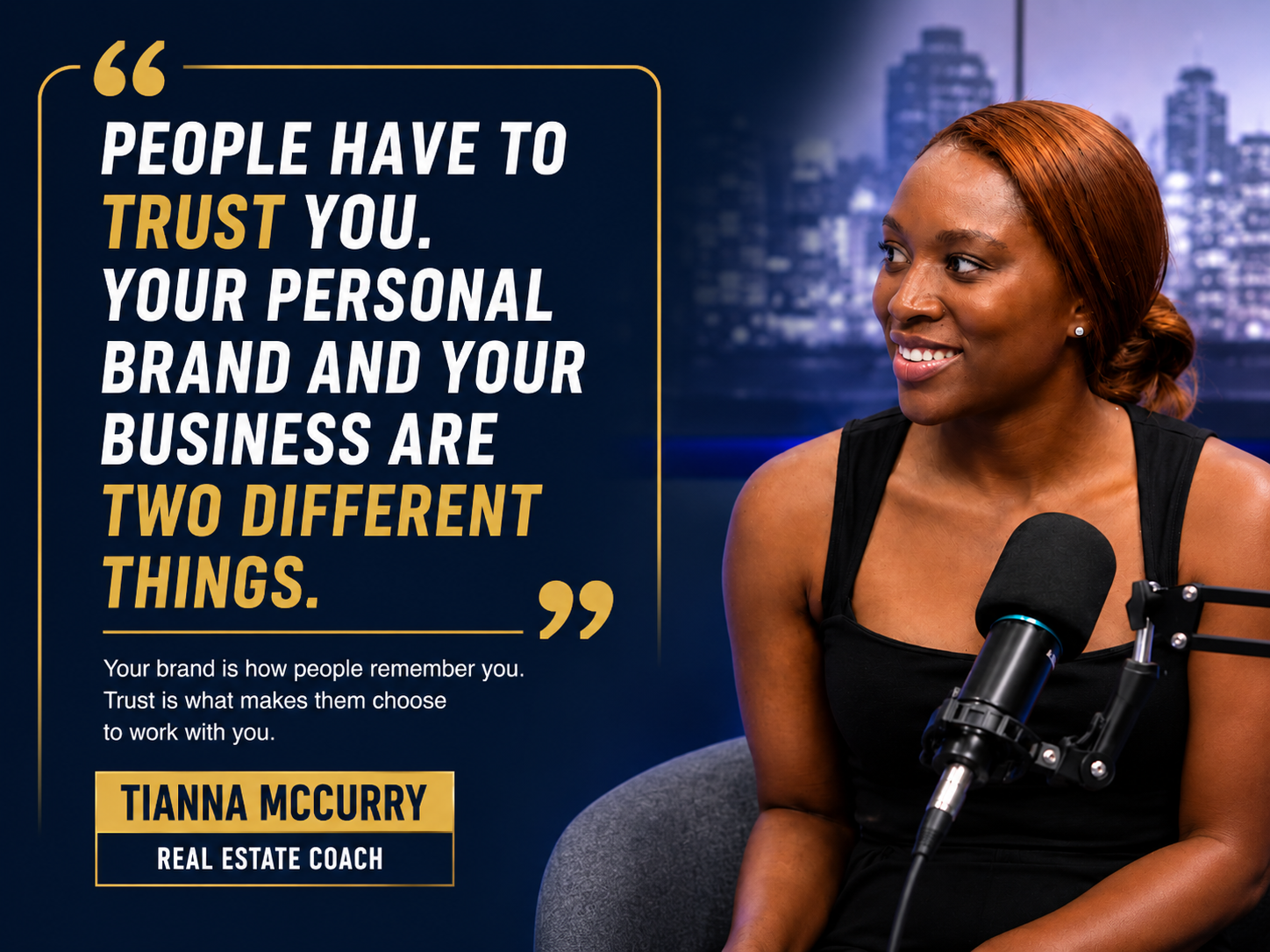
In a crowded market, your personal brand is what makes you memorable. Tess and Tiana stressed that the agents who last are the ones who build brands around genuine relationships and trust, not just flashy marketing. That means showing up as an educator and advocate, not a salesperson chasing commission checks.
Share what you’re learning about lending, rates, and housing trends from resources like the Real Estate Show W/ Pat Lopez and the Weekly Real Estate Digest. When you consistently explain the “why” behind the market in plain English, clients start to see you as their go-to advisor — and they refer you.
Teaching your audience about the market builds trust long before they transact.
Starting While Working Another Job: Time, Money, and Discipline
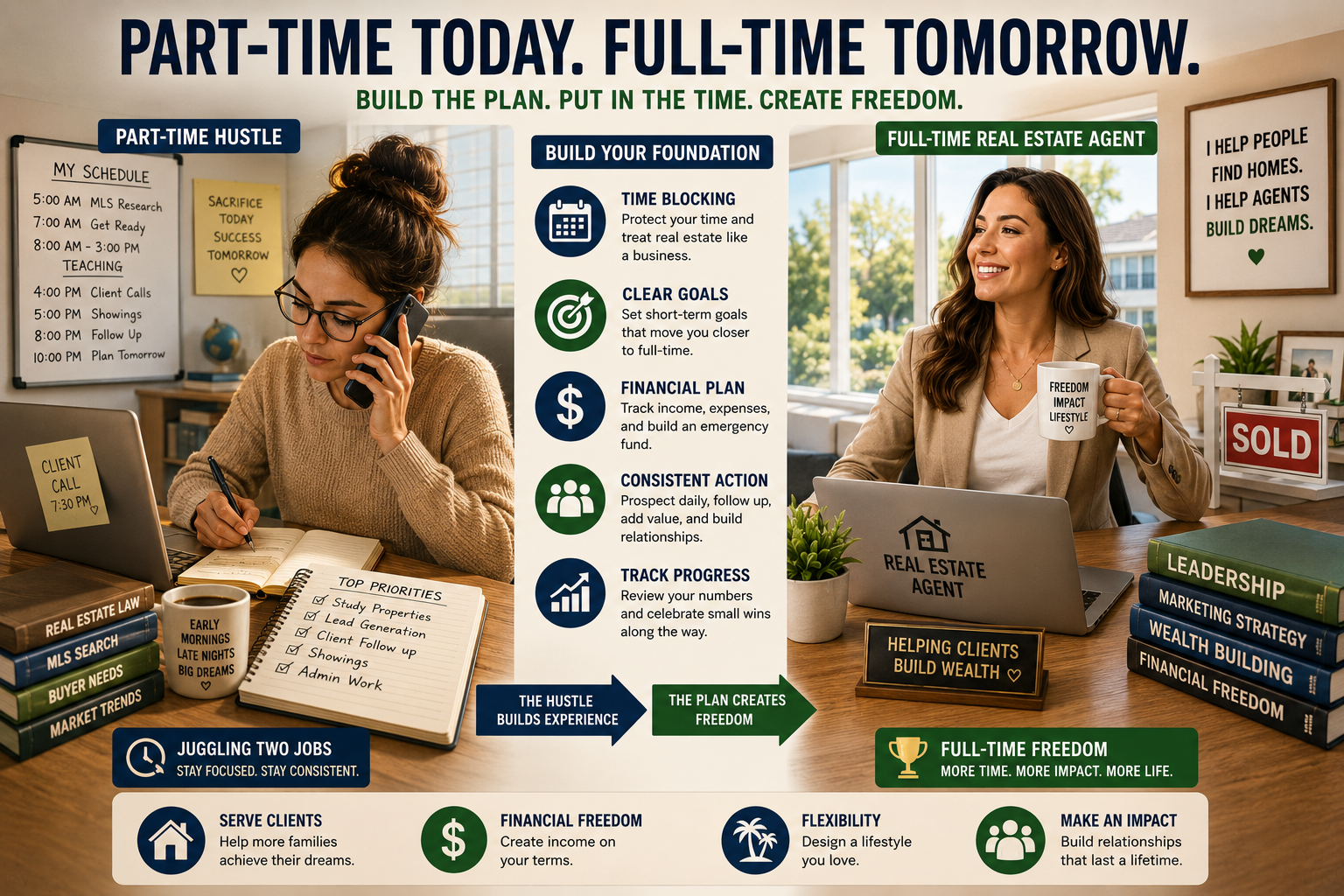
Many new agents can’t afford to quit their day job immediately — and that’s okay. Tess and Tiana encouraged agents to start smart by combining time blocking, financial planning, and disciplined routines.
Time blocking: Reserve specific blocks before or after work for real estate — prospecting calls, client follow-up, education, and showings. Treat those blocks like non-negotiable appointments.
Financial planning: Build a runway of savings for at least 3–6 months of expenses. Work with a lender or financial professional to understand how commissions, taxes, and business expenses will affect your cash flow.
Disciplined routines: Set a daily minimum standard — for example, 10 outreach messages, 5 calls, and 30 minutes of market or mortgage education every weekday.
These habits keep you moving forward even when you’re tired from your primary job. Over time, as your pipeline grows and your finances stabilize, you can transition more confidently into full-time real estate.
Your Next Step: Don’t Do This Alone
Getting licensed is only the beginning. To build a durable career, you need to learn the business, build your own pipeline, create repeatable systems, and intentionally surround yourself with coaches and mentors who will sharpen you. That’s exactly why resources like the Real Estate Show W/ Pat Lopez and the Weekly Real Estate Digest exist — to give you clear, trustworthy insights you can turn into action with your clients.
👉 For Homebuyers & Investors – Schedule your mortgage consultation today and uncover the best loan programs and grant opportunities available: Start your consultation.
👉 For Real Estate Agents – Stay ahead of the market. Subscribe to the Weekly Real Estate Digest and the podcast so you always have client-ready talking points on rates, lending, and housing trends: Subscribe here.
Licensed… Now What? Why Mentorship Beats Commission Splits Every Time
Passing your real estate exam feels like crossing the finish line, but as hosts Pat Lopez, Tess Adams, and Tiana McCurry reveal in this powerful episode of The Real Estate Show with Pat Lopez, getting licensed is really just the starting gate. Real estate school teaches you the legalities and contracts to keep you out of trouble—it doesn't teach you how to build a client pipeline, market yourself, or run a profitable business.
Key Insights Covered in This Episode:
The Real Estate School Gap: Why standard pre-licensing education leaves brand-new agents completely unprepared for the day-to-day realities of lead generation and business operations.
The Commission Split Myth: Why chasing a 100% split early on is a trap. 100% of zero is still zero—having the right training, mentorship, and support system matters far more than keeping a higher percentage of a deal you never close.
Generating Your Own Leads: Practical strategies for taking control of your own pipeline rather than relying on brokerage floor time or outdated scraps.
Building a Trustworthy Personal Brand: How to position yourself as an authority and trusted local advisor through educational content and authentic relationships.
Balancing a Dual Career: Step-by-step guidance on time blocking, financial planning, and setting daily minimum standards for agents transitioning from a full-time job into real estate.