
🏡 Mastering Your Credit to Buy a Home: What Lenders Actually Look For
If you’ve ever thought, “I don’t have enough money to buy a house,” — you might be focusing on the wrong problem.
According to mortgage expert Pat Lopez, the real issue usually isn’t cash… it’s credit, income, and debt structure.
Let’s break down the 3 biggest questions homebuyers are asking right now — and the real answers behind them.
🚀 Watch the Full First-Time Homebuyer Seminar
Want to go deeper and see these strategies explained step-by-step?
🎥 Watch the full “First Time Homebuyer Seminar” hosted by Realtor Cynthia Talbott and get real-world guidance on credit, income, and how to actually get approved.
📞 Ready to Relocate or Buy?
Connect directly with Realtor Cynthia Talbott for personalized help:
📱 Call/Text: 267-584-8054
🌐 Website: https://cynthiatalbott.myrealtyonegroup.com/
🏡 Explore Local Homebuyer Programs
Looking for grants, assistance, or local programs?
👉 Check out available options here:
https://phillyhousingprograms.manus.space/

💡 1. What Do Lenders Actually Look At?
Short answer: It’s a 3-part system — income, credit, and assets.
Think of it like a 3-legged stool:
Income (what you earn)
Credit (how you manage money)
Money/assets (what you have saved)
But here’s the key insight most people miss:
👉 “The money part is usually the easiest part.”
Why Income Matters More Than You Think
Lenders calculate your gross monthly income, then apply a guideline:
Typically ~45% debt-to-income ratio (DTI)
Example:
$60,000/year → $5,000/month
45% = $2,250 max total debt
Subtract existing debt → what’s left = your mortgage budget
👉 That means your existing debt controls your buying power more than your savings does.💳 2. How Can You Boost Your Credit Score Fast?
This is where things get interesting — and powerful.

The #1 Credit Hack: Lower Your Utilization
Credit scores aren’t just about paying on time.
Breakdown:
Payment history → 35%
Credit utilization → 30% (HUGE)
Length of history → 15%
Mix → 10%
Inquiries → 10%
👉 Translation:
If your cards are maxed out, your score tanks — even if you never miss a payment.
“If you paid off your cards, your score could jump 100 points.”

Quick Wins to Boost Your Score:
Pay down credit cards (not just minimums)
Become an authorized user on a strong account
Use tools like Experian Boost (carefully)
Avoid new credit inquiries before applying🚫 3. What Should You STOP Doing Before Buying a House?
This might be the most important section.
Pat was very direct about this:
“Stop the Zelles. Stop buy now, pay later.”
Why This Matters
Even if something doesn’t show on your credit report, lenders still see it through:
Bank statements
Cash app transfers
Undisclosed debts (Affirm, Klarna, etc.)
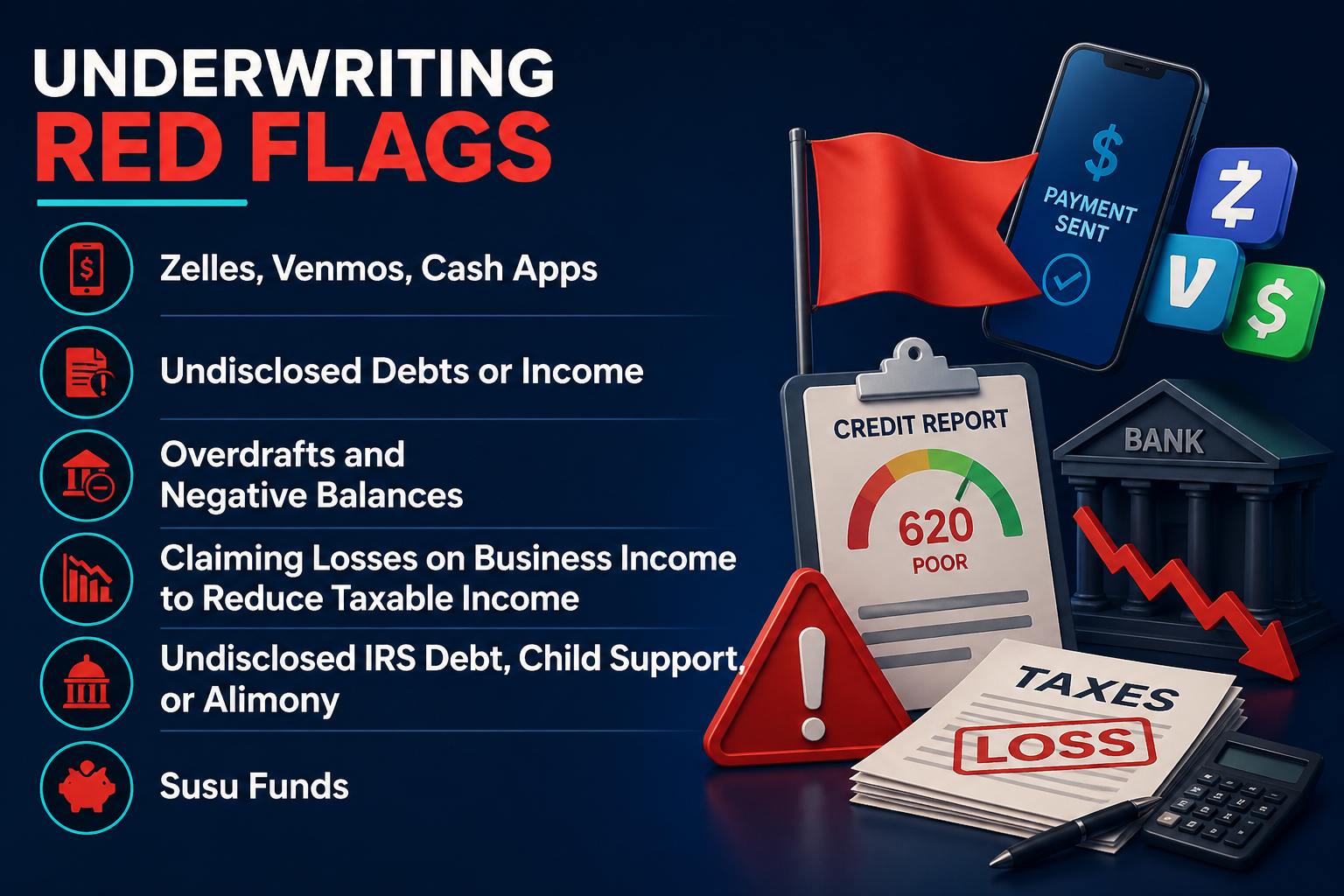
🚨 Red Flags That Can Hurt You:
Random deposits (looks like hidden income)
Overdrafts (signals poor money management)
Buy-now-pay-later plans
Excessive transfers between accounts
👉 Lenders analyze your finances like investigators — not just your score.
💰 Bonus: Do You Actually Need Money to Buy a House?
Here’s the plot twist:
👉 You might not.
Programs mentioned:
Grants up to $15,000–$25,000
Seller assist options
First-time buyer programs
Example:
$250K house → ~$25K needed
Grants can cover most (or all) of it
👉 “Money is usually not the issue.”

🚀 Ready to Build Your Homebuying Game Plan?
If you want real guidance (not guesswork), this is where you take action:
👉 🎙️ Join the FREE Power Hour Mastermind
Get direct insights, real numbers, and personalized strategy from experts:
https://www.eventbrite.com/e/power-hour-with-pat-lopez-real-estate-mastermind-tickets-1986159713168🔑 Final Takeaway
If you’re trying to buy a home, focus on this:
Lower your debt
Optimize your credit utilization
Clean up your bank activity
Because the truth is…
👉 Your financial structure matters more than your savings.